
You Will Own Nothing: The Age of Rentier Capitalism
Replacing property with permission

Playstation recently made an announcement that it would end the production of physical discs in 2028 for all new games released on their consoles. While met with a lot of backlash, this is hardly surprising. The move away from physical media towards cloud based services has been happening for well over a decade. One of the first notable companies to make this transition from something you own to something you rent, or “software as a service”, was Adobe. Owners of early Photoshop licenses would pay around $300-500 for a licensing fee and own Photoshop forever. Adobe eventually realized they were missing out on perpetual money streams by making these users one time clients, so in 2013 they transitioned into renting Photoshop to consumers for a monthly fee. A user would have to keep paying every month, forever, to use their product. They would never have the option to own it. Instead of $300 one time, it was now $300 a year for as long as you wanted to use their product.
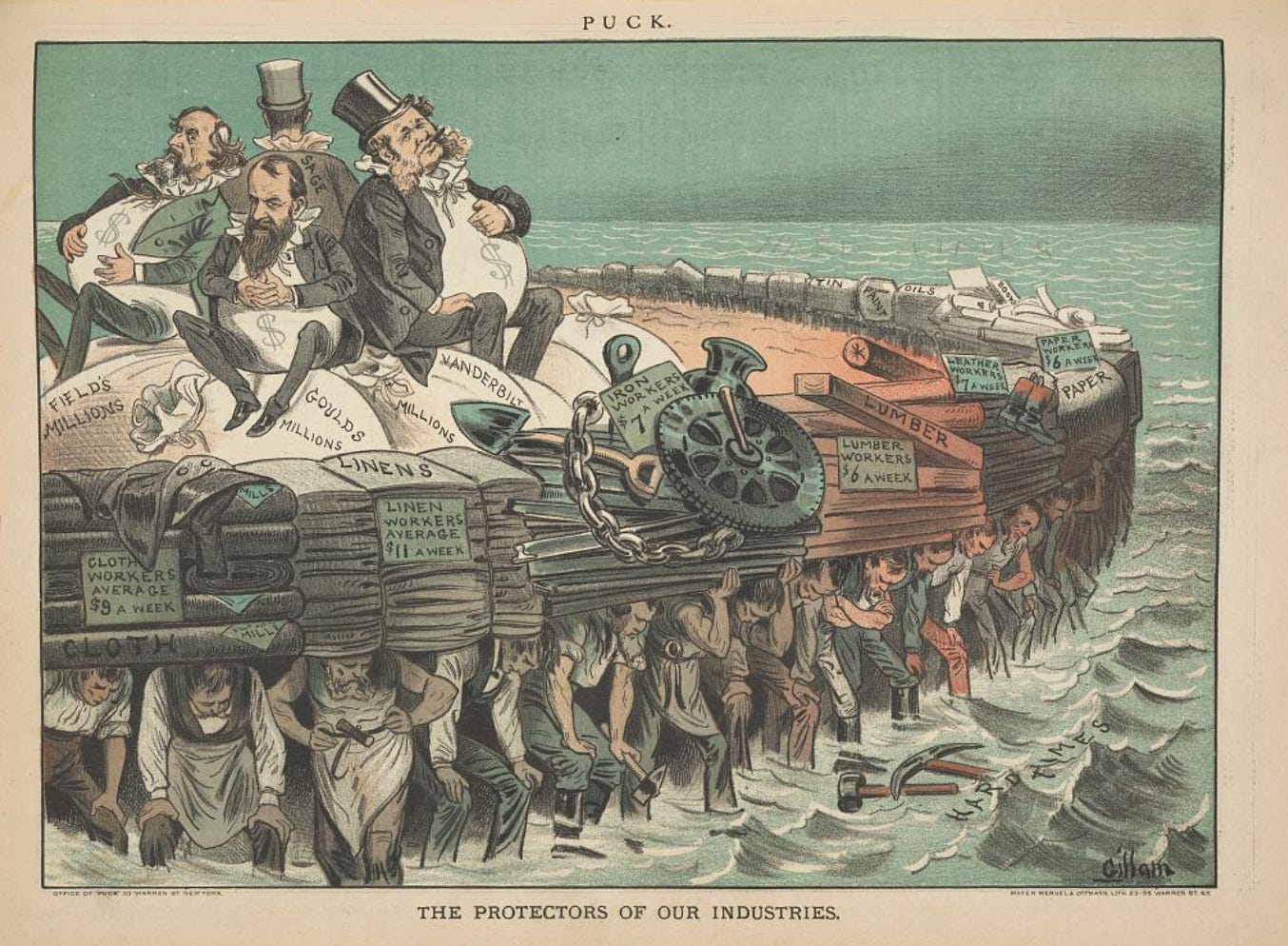
At the same time, Netflix was winding down its DVD by mail operation (which was still on life support all the way until 2023) to focus on its streaming operation. Why bother to purchase a library of DVDs when you could watch virtually anything you wanted simply by paying a month fee? Granted it is far more convenient to pay for streaming services than to have a library of thousands of titles in your home, however there are downsides. If a certain beloved show or movie doesn’t have the proper licensing it’s virtually impossible to find online. Some media has been erased entirely. Notably, Kevin Smith’s Dogma and George Romero’s Dawn of the Dead are nowhere to be found on streaming sites due to complex licensing issues. You either have to pirate them or own a physical copy. Not only that, but the removal of physical media has entirely eliminated the secondary market; you can’t just lend your friend a game or movie, you can never resell it. You can’t buy a used game at GameStop at a discount. The purchase price is set for that item by the capitalist, regardless of the age of the media and the distribution is centralized, the market enclosed. While capital maintains the full enclosure of the digital commons they have also created an artificial scarcity that allows them to charge whatever they want, whenever they want, for you to use something you’ve always used, but now under their own terms. The purpose of all of this is to transform our property into rent, making us reliant on continuing to pay for access to a thing rather than just owning it.
We watch our shows on streaming services, we upload our photos to the cloud storage, we buy ebooks with voidable licenses on e-readers that may just stop working one day if Amazon says so, we buy smart home devices with advertising you can’t turn off, even our cars now have paywalls. A sale is no longer a sale, it is a temporary arrangement granting us access to a good for a limited period of time, to be revoked at will. In the pursuit of forever profits, rather than innovation, the capitalist class has decided they would prefer to keep charging you for the same thing again and again. Capitalists are moving on from simple commodity production to a more nebulous commodity: permission. You will own nothing, but will you be happy?
Last year Volkswagen made headlines by deciding to lock the full horsepower of their ID.3 Pro and Pro S behind a paywall. Consumers would have to pay a monthly fee in order for their car to function to its full capacity. Other manufacturers have experimented with locking heated seats, GPS, and remote start behind a subscription. Worse, some manufacturers have installed kill switches in cars that allow the lending company to shut off the engine if you miss a payment. The message is clear: you own nothing, but we own you. This is less of a traditional capitalist arrangement - workers produce goods for the capitalist, the capitalist sells these goods to a consumer, the consumer owns and uses the goods - and more of a feudal one: you may use the goods, but you may only do so behind the landlord’s gate.
Capital rewards the pursuit of endless profit, so firms cannot only seek to expand their customer base, they must extract more and more from the base they already have. By limiting the full use value of a product and gating it behind a paywall, firms can drink endlessly from the same well. This is not to say that innovation is truly dead, it is just being used to innovate against the consumer. A better screen for your smart fridge to display advertisements on has taken the place of inventing a fridge whose compressor doesn’t die within five years. The customer is now a tenant. The capitalist the landlord. The purchase no longer ends the relationship, it is now mediated directly through the power that the product seller retains over its commodity.
Whereas the orientation of industrial capitalism was more about selling a product and hoping for a satisfied customer who would return again and buy something new, its modern iteration is often in conflict with the needs and desires of the consumer. The orientation of capital towards its consumers is often even downright hostile. Things as simple as canceling a service are intentionally designed to be as difficult as possible, items are made to eventually break, websites use dark patterns to manipulate visitors into purchases (“subscribe for one month free!”), and warranties are voided if you try to repair. None of these things serve consumers, but they all operate in order to increase extraction. When ownership is only ever partial and always revocable, it gives capitalists a level of control over commodities they didn’t previously have.
An oft unexamined side effect of this increasing enclosure of the commons in pursuit of profit is that the preservation culture for future generations will now rest largely in the hands of private firms. The historians and collectors will need to rely on private companies to allow them to archive all that exists. When archivists need explicit permission to make physical copies of things that don’t have a physical product, how much will they be limited in their ability to document and save our history? Even just the preservation of photographs is now up to expecting the cloud will always be there for us. We can’t leave our iCloud account to our children, so if there were ever a data catastrophe what would we leave behind? In this quest to remove all secondary markets, capital is ensuring our footprints only exist in cyberspace, the real world be damned.
This is not just about the disappearance of physical media itself, it is about how the capitalist class has started to view the concept of ownership as an obstacle. An obstacle to extraction, an obstacle to control. Capitalism has enticed firms to see a purchased commodity leaving the market as a threat to their future accumulation, and therefore to ensure that this commodity never truly does.
Marx wrote that “The bourgeoisie cannot exist without constantly revolutionizing the instruments of production, and thereby the relations of production, and with them the whole relations of society.” Today, what the bourgeoisie has revolutionized is not just production but the very concept of ownership itself.
Maintaining future profit is a matter of making sure nothing really ever belongs to you. The sale of an item, instead of being the end of the exchange, becomes the beginning of a parasitic relationship; one that siphons value from the same commodity again and again, long after it was supposedly sold. Games become licenses. Cars become subscriptions. Software becomes a service.
Nothing is ever really yours.
Adobe is one of the worst of these companies. A few months back they decided to discontinue Animate and it pissed so many people off (me included) that they've seemingly backed off. I feel like it's just a matter of time before they decide to do more stupid shit.
Good article. You go girl.